di Maria Grazia de Lisa
Il carcinoma pancreatico è associato ad una prognosi infausta, con sopravvivenza globale mediana inferiore a un anno nella malattia metastatica, ponendosi sul podio dei Big Killers in Oncologia. Oltre la prima linea, la chemioterapia a base di fluoropirimidine o gemcitabina offre tassi di risposta bassi, una PFS mediana di 3-4 mesi ed una OS mediana di 6-7 mesi.
Lo Studio RASolute 302, studio di fase 3, internazionale, in aperto, randomizzato 1:1, valuta efficacia e sicurezza rispetto alla chemioterapia a scelta dello sperimentatore in pazienti con adenocarcinoma duttale pancreatico metastatico (mPDAC) precedentemente trattato.
I risultati sono stati presentati in Sessione plenaria all’ASCO Annual Meeting, accolti da una standing ovation, con pubblicazione simultanea sul New England Journal of Medicine.
Daraxonrasib (RMC-6236) è un inibitore orale multiselettivo dello stato attivo (GTP-legato) di RAS, attivo sulle forme mutate e wild-type di KRAS, NRAS e HRAS, che rappresentano mutazioni oncogeniche di RAS presenti in oltre il 90% dei tumori pancreatici; di queste oltre l’80% interessa il codone 12 di KRAS.
I pazienti sono stati randomizzati a daraxonrasib 300 mg/die per via orale oppure alla chemioterapia a scelta dello sperimentatore tra quattro regimi standard.
Con un follow-up mediano di 8.5 mesi , daraxonrasib ha determinato una riduzione del 60% del rischio di morte. La OS mediana è risultata di 13.2 vs 6.7 mesi (HR 0.40; IC95% 0.30-0.53) e la PFS mediana è stata di 7.2 vs 3.6 mesi (HR 0,49). Il tasso di risposta obiettiva è risultato più che triplicato (33.2% vs 11.8% nella popolazione RAS G12). Rilevante il dato sugli outcomes riferiti dal paziente: il tempo mediano al deterioramento del dolore è stato di 9.0 vs 3.7 mesi (HR 0.51) e quello della qualità di vita globale di 5.6 vs 2,4 mesi (HR 0,60). Sul piano della sicurezza, il profilo di tossicità di daraxonrasib si è confermato diverso da quello della chemioterapia e clinicamente gestibile, prevalentemente di tipo dermatologico e gastrointestinale.
È un risultato che valida clinicamente la strategia di inibizione sostenuta dello stato RAS(ON) come driver primario della malattia il raddoppio della sopravvivenza mediana associata a tale trattamento, in una neoplasia storicamente refrattaria, giustifica il clamore con cui il dato è stato accolto.
Al momento in Italia il farmaco non è disponibile e, allo stato attuale, nessun programma di accesso anticipato è stato annunciato o pianificato per l’Europa e per l’Italia. Inoltre bisogna sottolineare come, malgrado l’importante beneficio associato, non si configura come terapia curativa.
E’ auspicabile che l’iter approvativo e di rimborsabilità sia il più rapido possibile e che, nel frattempo, l’arruolamento negli studi clinici sia offerto ai pazienti in ogni linea di trattamento. In questa prospettiva, l’imminente apertura in Italia, in più centri, degli studi RASolute 303 (daraxonrasib ± gemcitabina-nab-paclitaxel in prima linea nel mPDAC) e RASolute 304 (daraxonrasib nel PDAC resecato, setting adiuvante) rappresenta la concreta opportunità di tradurre questo entusiasmo in un beneficio reale e governato.
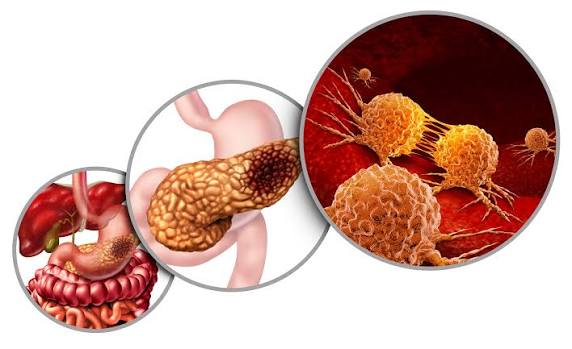
immagine di copertina presa dal sito https://www.apollohospitals.com/
ARTICOLO
Daraxonrasib or Chemotherapy in Previously Treated Metastatic Pancreatic Cancer
Clinical Trial N Engl J Med. 226 Jul 23;395(4):325-337.
doi: 10.1056/NEJMoa2605555. Epub 2026 May 31.
Abstract
Background: Current therapies offer limited benefit for patients with previously treated metastatic pancreatic ductal adenocarcinoma (mPDAC). Aberrant activation of the RAS pathway is the key driver of PDAC, with oncogenic RAS mutations present in more than 90% of cases. Daraxonrasib is an oral RAS(ON) multiselective, tri-complex inhibitor of the active guanosine triphosphate-bound state of mutant and wild-type RAS.
Methods: In this phase 3, international, open-label, randomized trial, we randomly assigned patients with previously treated mPDAC to receive daraxonrasib or chemotherapy of the investigator’s choice. The dual primary end points were overall survival and progression-free survival in the subpopulation of patients with RAS G12 mutations (the RAS G12 population). Key secondary end points included overall survival and progression-free survival in the overall population (which included patients with RAS G12, G13, or Q61 mutations or with no RAS mutation identified) and objective response and patient-reported quality of life in the RAS G12 and overall populations. Safety was also assessed.
Results: A total of 500 patients, including 91.8% with RAS G12 mutations, were randomly assigned to receive daraxonrasib (248 patients) or chemotherapy (252 patients). The median overall survival in the RAS G12 population was 13.2 months with daraxonrasib and 6.6 months with chemotherapy, and the median overall survival in the overall population was 13.2 months and 6.7 months, respectively; the hazard ratio was 0.40 in both populations (P<0.001). The median progression-free survival in the RAS G12 population was 7.3 months with daraxonrasib and 3.5 months with chemotherapy, and that in the overall population was 7.2 months and 3.6 months, respectively; the hazard ratios were 0.45 and 0.49, respectively (P<0.001 for both comparisons). Adverse events that occurred after the start of treatment were reported in all the patients in the daraxonrasib group and in 97.7% of those in the chemotherapy group; the incidence of adverse events of grade 3 or higher was 61.8% and 69.6%, respectively. Treatment-related adverse events that led to treatment discontinuation occurred in 1.2% of the patients in the daraxonrasib group and in 11.2% of those in the chemotherapy group.
Conclusions: Among patients with previously treated mPDAC, treatment with daraxonrasib led to significantly longer overall survival and progression-free survival than chemotherapy. (Funded by Revolution Medicines; RASolute 302 ClinicalTrials.gov number, NCT06625320.).
Copyright © 2026 Massachusetts Medical Society.